What is the Jordan Trail
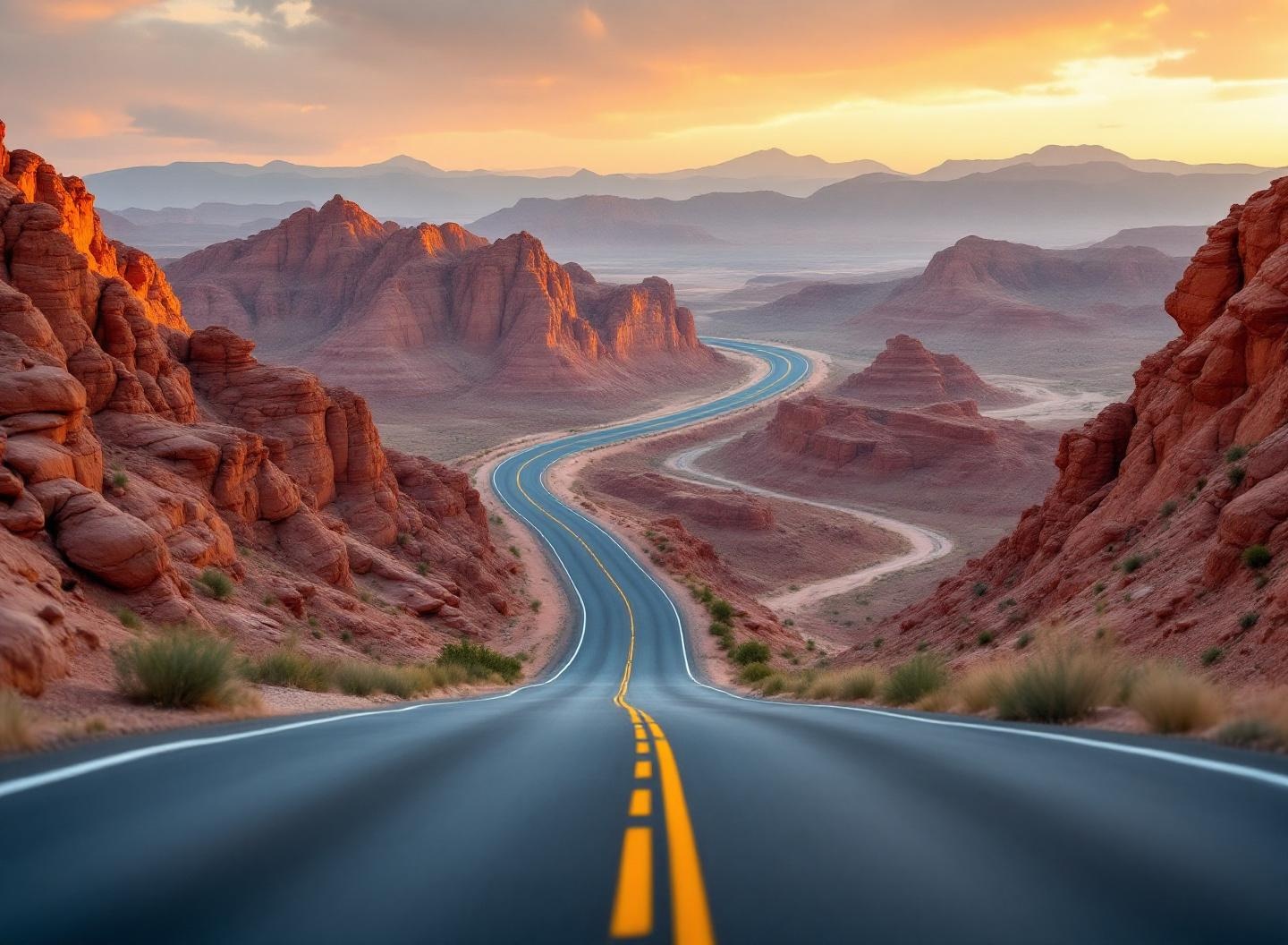
The Jordan Trail is a long-distance walking route established in 2017 by the Jordan Trail Association, connecting Umm Qais in the far north to the port of Aqaba on the Red Sea. At 650 km, it is one of the Middle East’s most ambitious trail projects — and arguably its most diverse. In a single continuous route, hikers pass through Roman ruins, oak forests, Bedouin villages, arid canyons, Nabataean rose-red cities, and desert landscapes of volcanic basalt and sandstone.
The trail was built collaboratively with local communities, conservation bodies including RSCN (Royal Society for the Conservation of Nature), and international development partners. Its social design is as intentional as its physical route: hikers sleep in village homestays, buy food from local families and use local guides — ensuring that tourism revenue flows directly to rural communities.
Official resources — GPS tracks, stage descriptions and accommodation databases — are published on the Jordan Trail Association website at jordantrail.org. The GPS tracks are available in .gpx format for download and work well with Gaia GPS, Maps.me and Komoot.
The 8 sections of the Jordan Trail
| Section | Start | End | Distance | Highlights |
|---|---|---|---|---|
| 1. North Jordan | Umm Qais | Ajloun | 100 km | Greco-Roman ruins, oak forest, Jordan Valley views |
| 2. Ajloun–Jerash | Ajloun | Ajloun (loop options) | 50 km | Pine forest, village trails, RSCN reserve |
| 3. Amman | Ajloun | Madaba | 85 km | Capital traverse, valleys, mosaic churches |
| 4. Dead Sea | Madaba | Wadi Mujib | 45 km | Descent to Dead Sea, gorge crossing |
| 5. Wadi Mujib | Wadi Mujib | Dana | 100 km | Canyon hiking, goat trails, dramatic descent |
| 6. Dana–Petra | Dana | Petra | 80 km | Most popular section — wild camping, Wadi Feynan, Little Petra |
| 7. Petra–Wadi Rum | Petra | Wadi Rum | 75 km | Desert crossing, sandstone towers, Bedouin territory |
| 8. Wadi Rum–Aqaba | Wadi Rum | Aqaba | 55 km | Final stretch, Hisma desert, coast descent |
Section 6: Dana to Petra — the trail’s crown jewel
The Dana to Petra section (Section 6) is the reason most hikers come to the Jordan Trail. Over 80 km and 4–7 days, the route descends from Dana Biosphere Reserve at 1 500 m through Wadi Feynan — one of the most remote valleys in Jordan — climbs through Wadi Araba, passes through the ancient Nabataean site of Beidha (Little Petra) and descends into Petra through the back door.
This section combines everything Jordan does best: geological drama, Nabataean history, Bedouin culture and logistical practicality (enough infrastructure to camp comfortably without carrying everything). For detailed planning information, see our dedicated Dana to Petra trek guide.
A guided Dana–Petra trek with an established operator like Experience Jordan, Wild Jordan or Adventure Jordan typically costs 600–1 200 USD all-inclusive (guide, meals, accommodation in camps). The Amman: Dana to Petra 4-day trekking adventure is a solid pre-organised option for visitors who prefer not to arrange logistics independently. The Jordan Trail Dana to Petra 4-day trekking tour specifically follows the official Jordan Trail alignment.
Section 1: North Jordan — Umm Qais to Ajloun
The northern section is the least-hiked part of the trail but the most culturally layered. Starting at Umm Qais — ancient Gadara — the route passes through the rolling green hills of northern Jordan, past olive groves, Bedouin encampments and the forested slopes of Ajloun Nature Reserve.
Key challenges: this section passes through populated agricultural land and navigation requires careful attention to the GPS track. Village homestays are the primary accommodation option. Best hiked in spring when wildflowers carpet the hillsides.
Section 5: Wadi Mujib — the physical challenge
The Wadi Mujib section is the trail’s most demanding — a 100 km stretch through deep canyon systems above and parallel to the Wadi Mujib reserve. The route does not descend into the water canyon (that is the RSCN-managed Siq Trail — see our separate guide), but instead traverses the gorge rims via goat trails at 900–1 200 m elevation.
Hikers should be confident with rough terrain navigation and comfortable with multi-day self-sufficient camping. Resupply points are limited — carry 3–4 days of food from the last village.
Best season to hike the Jordan Trail
March to May is the optimal window. Wildflowers are in bloom, temperatures range from 10–25°C at elevation, and daylight hours are sufficient for 25–30 km days. Snow is possible in the Ajloun and Dana highlands in late February–early March.
October to November is the second-best window. The air is cooling after summer, the trail surfaces have dried out from any autumn rain, and Petra is in its tourist peak — which means good transport connections for hikers exiting the trail at Section 6.
Avoid June–September for the southern sections (Wadi Rum, Aqaba). Temperatures on exposed desert terrain exceed 45°C. The northern forest sections (Ajloun) are more manageable in summer.
Avoid November–April for the Wadi Mujib Siq Trail crossing if your route requires it — the water canyon is closed in winter. Plan a detour or adjust your timing. See our Wadi Mujib Siq Trail guide for seasonal opening information.
Accommodation on the trail
The Jordan Trail was designed to prioritise community-based accommodation over tented camping. Most sections pass through or near villages with RSCN-registered or Jordan Trail Association-affiliated homestays.
Homestays: The most rewarding option for cultural immersion. Cost varies by village but typically runs 15–25 JOD per person including dinner and breakfast. Shower facilities range from functional to rustic. Book through the Jordan Trail Association database (jordantrail.org) or through a local operator 2–3 days in advance.
Desert camping (Sections 7 and 8): The Wadi Rum and Hisma desert sections require camping on open ground or in Bedouin camps. Tented camps in Wadi Rum charge 20–40 JOD per person with dinner. See our Wadi Rum overnight camp guide.
Feynan Ecolodge: Situated on the Jordan Trail in Section 6, Feynan Ecolodge is one of the most acclaimed eco-lodges in the Middle East. A night here in candlelight, with traditional Bedouin meals and lantern-lit tours of the surrounding copper mine landscape, is a highlight of the full trail. See our Wadi Feynan hikes guide for more context.
Navigation and GPS tracks
The Jordan Trail’s official GPS tracks are downloadable in .gpx format from jordantrail.org. The tracks are regularly updated and well-maintained.
Recommended apps:
- Gaia GPS (iOS/Android): Best offline map layers for Jordan terrain
- Maps.me (iOS/Android): Free, works offline, good for general navigation
- Komoot: Has turn-by-turn directions for the trail’s popular sections
Physical guidebook: “The Jordan Trail: Hiking the Full Length of the Hashemite Kingdom” by Cathy Jordan (Lonelyplanet) was out of print as of 2025 but second-hand copies circulate. The Jordan Trail Association also sells printed trail guides from its Amman office.
Mobile signal: intermittent in most sections. Download all maps before departure. Many guesthouses and Bedouin camps have wifi despite appearing extremely remote.
Fitness and preparation
Complete trail (650 km, 36–40 days): Requires serious fitness and multi-day backpacking experience. You will carry 8–14 kg depending on food and water capacity. The daily elevation changes (often 800–1 200 m up and down) are more demanding than the flat km count suggests.
Section hiking (individual stages): Most sections are achievable by confident hikers with good fitness and hiking footwear. The Dana to Petra section is the benchmark — if you can complete a 20 km day on rough terrain comfortably, you can hike this section.
Guided vs self-guided: Self-guided hiking is legal and possible on all sections. However, a local guide dramatically improves the experience — they navigate through unmarked sections, translate with village hosts, and provide context for the history and natural environment. Guide cost: 30–60 JOD per day.
Logistics: getting to the trailhead
Umm Qais (northern trailhead): Accessible by bus from Amman’s north bus station (Abdali) or Irbid. Journey: approximately 2 hours from Amman. A shared taxi or private car is more convenient than the bus for a direct trailhead drop. See our northern Jordan transport guide for options.
Aqaba (southern trailhead): Aqaba’s city centre is the end point. Royal Jordanian operates 1-hour flights from Amman (Queen Alia International Airport). Bus from Amman (JETT coach): approximately 4 hours. Hikers finishing the Wadi Rum–Aqaba section who want to explore the Red Sea before flying home can easily add a snorkelling boat trip from Aqaba as a well-earned reward.
Exiting mid-trail at Petra: The most common exit point. Petra’s Visitor Centre connects to Wadi Musa village, from which there are regular bus services to Amman (3–4 hours) and Aqaba (2 hours).
Costs: budgeting for the Jordan Trail
| Item | Budget estimate |
|---|---|
| Guided 4-day Dana–Petra with all-inclusive operator | 600–1 200 USD |
| Independent self-guided (homestays + food) per day | 30–50 JOD |
| Local guide cost per day | 30–60 JOD |
| Gear rental (boots, pack) in Amman | 15–25 JOD/day |
| Wadi Rum camp per night with dinner | 20–40 JOD |
| RSCN reserve fees (Mujib, Ajloun, Dana) | 7–21 JOD per entry |
Jordan Pass covers entry to Petra (~50 JOD value) and several other archaeological sites along or near the trail. See our Jordan Pass guide.
How the Jordan Trail was built
The Jordan Trail was formally launched in 2017 but grew from years of work by a network of local activists, tourism professionals and RSCN conservationists who recognised that Jordan’s rural regions needed economic development beyond mineral extraction and agriculture.
The inspiration came partly from established long-distance trails — the Appalachian Trail in the USA, the GR20 in Corsica, the Jordan side of the Shvil Yisrael (Israel National Trail) — and partly from the success of community-based tourism projects in Dana and Ajloun that had demonstrated that rural Jordanian communities could benefit directly from low-volume, high-value tourism.
The Jordan Trail Association (JTA) was founded to formalise the route, train community guides, develop the accommodation network and maintain the GPS tracks. International funding (USAID, various European development agencies) supported the initial infrastructure. Importantly, the JTA insisted on routing the trail through communities rather than avoiding them — the community homestay system is not an add-on but a core part of the trail’s economic design.
By 2019, the trail had been completed by several hundred international hikers and featured in international media. The COVID-19 period (2020–2022) severely reduced trail use but also reduced wear on the route. Post-2022 bookings have recovered strongly.
Trail etiquette and community interaction
The Jordan Trail is not a wilderness trail in the sense of hiking through empty land. It is a trail through lived landscapes — agricultural terraces, village edges, Bedouin grazing territory, nature reserves. Trail etiquette reflects this:
In villages:
- Ask permission before photographing people, particularly women
- Greet everyone you pass — the Arabic “As-Salamu Alaykum” is universally appreciated
- Purchase food and supplies from village shops rather than carrying everything from cities — this is one of the trail’s economic mechanisms
- Accept offers of tea: refusing hospitality is considered rude in Jordanian culture. A brief 10-minute tea stop with a farmer is part of the experience, not an interruption
In RSCN reserves:
- Follow all reserve rules (no collecting, stay on marked trails, pay entry fees)
- Do not disturb wildlife — ibex and roe deer in particular are sensitive to human approach
- No camping outside designated zones without reserve permission
In Bedouin territory:
- The southern sections pass through Bedouin-managed land. Your presence is accepted; disrespect is not
- Do not photograph Bedouin encampments without asking
- Accept the hospitality of goat’s milk or coffee if offered — it costs the host more than it costs you to accept
Trail infrastructure and future development
The Jordan Trail is a living project with ongoing development. As of 2025:
Recent improvements:
- New waymarking on the Ajloun and North Jordan sections (Sections 1–2), where ground marking was previously inconsistent
- Updated GPS tracks for the Wadi Mujib plateau sections (Section 5) after a route realignment in 2023
- New homestay partners registered in communities near Wadi Dana (Section 6)
- A digital trail passport (stamp at each section’s end) tested as a pilot program
Planned (not yet confirmed):
- A trail section connecting from Aqaba’s city beach to the Saudi border
- Designated camping platforms in the Wadi Rum section
- A trail fund mechanism allowing hikers to contribute directly to village maintenance of the route
For the most current information, jordantrail.org maintains a news section and a verified partner list.
Jordan Trail: Dana to Petra 4-day trekking tour
The Dana to Petra section is the Jordan Trail's crown jewel — book a guided 4-day trek with meals and camp accommodation included to focus entirely on the walking.
Trail entries at Petra and several RSCN reserves overlap with the Jordan Pass — check which of your planned reserve fees it covers before budgeting separately.
Frequently asked questions about Jordan Trail
Can I hike the Jordan Trail solo as a woman?
Yes. The Jordan Trail has been completed by many solo female hikers, including those who have written detailed accounts online. Village homestay networks provide safe accommodation and local families are generally hospitable and protective toward female solo travellers. The Jordan Trail Association maintains a list of trusted accommodation providers. Sensible precautions apply — as in any remote trekking environment worldwide.
Is the full Jordan Trail marked on the ground?
Partially. Waymarking varies by section — the northern sections (Ajloun, North Jordan) have reasonable cairn and paint marking on the ground. The southern desert sections (Petra–Wadi Rum, Wadi Rum–Aqaba) rely heavily on GPS. Plan for GPS navigation throughout and treat ground marking as supplementary.
Do I need a permit to hike the Jordan Trail?
No permit is required for the trail itself. However, passing through RSCN reserves (Ajloun, Mujib, Dana) incurs entry fees (7–21 JOD per reserve). Entering Petra requires a separate Petra entry ticket (50+ JOD) or Jordan Pass.
What is the Jordan Trail Association and how does it help hikers?
The Jordan Trail Association (JTA) is a non-profit that manages the trail, updates the GPS tracks, trains local guides and maintains the accommodation network. Their website (jordantrail.org) is the primary resource. The JTA can also help arrange guides and accommodation by email for those without pre-booked operators.
Can I do the Jordan Trail without camping gear?
Yes, if you stick to sections with village homestay coverage. The Dana to Petra section, for example, can be completed entirely in Bedouin camps and ecolodges without a tent. The Wadi Rum–Aqaba section requires either a tent or pre-booked Bedouin camps.
Is the Jordan Trail worth doing if I only have a few days?
Yes — most visitors do not attempt the full 650 km. The Dana to Petra section (4–7 days) or an even shorter 1–2 day taste of it delivers the trail’s best landscape and Bedouin culture without the full commitment. See our best time to visit Jordan guide for how trekking season fits the rest of a trip, and Jordan with a driver vs rental for getting to and from trailheads.